
As the calendar turns toward the heat of another Arizona summer in 2026, the temperature isn't just a number on a screen: it’s a call to action. Here in the Valley, we don’t just experience summer; we endure it. But at Electrical Team 6, we believe that "endurance" shouldn't be a solo sport. While our day-to-day work involves wires, panels, and circuits, our core mission has always been the people those systems protect.
Heat safety in Arizona is a humanitarian issue. When the mercury climbs past 110 degrees, the reliability of an electrical system transitions from a matter of convenience to a matter of survival. This year, we are urging our community to look beyond their own thermostats and recognize that keeping Arizona cool is a shared responsibility.
A Commitment to Our Neighbors
At Electrical Team 6, our foundation is built on service. This isn't just corporate jargon; it’s a commitment to the individuals who make our community strong. We hold a special place in our hearts for our veterans, first responders, and senior citizens: groups that are often the most vulnerable when the extreme heat hits.
Veterans and first responders have spent their lives protecting us. When the Arizona sun becomes a threat, it is our turn to protect them. Similarly, our senior neighbors may face physiological challenges in regulating body temperature or may hesitate to run their air conditioning due to rising energy costs. This is where community responsibility kicks in.
We encourage everyone to check in on their neighbors. A simple knock on the door or a phone call can save a life. Is their A/C running? Do they have enough water? Is their power stable? If you encounter a senior or a veteran whose electrical system is failing during a heatwave, remember that help is on the way.

The High Stakes of the Arizona Heatwave
The scope of the heat challenge in Arizona is immense. Recent data and the establishment of Arizona's Extreme Heat Preparedness Plan highlight that extreme heat affects everyone, but the burden is not shared equally. Low-income families, the elderly, and those with underlying health conditions are at the highest risk.
The state has taken massive strides with the Heat Relief Network, providing cooling centers and hydration stations across Maricopa County from May through September. These are vital resources, but the "last mile" of safety often happens within our residential neighborhoods. We must ensure that the electrical infrastructure in our homes: the very thing keeping our cooling systems alive: is up to the task.
Practical Electrical Safety for the Summer Months
Staying cool requires a functional and safe electrical system. When the heat rises, we see a massive spike in electrical demand, which can lead to overloaded circuits and equipment failure. Here are some essential tips to keep your home safe and cool:
1. HVAC Maintenance and Monitoring
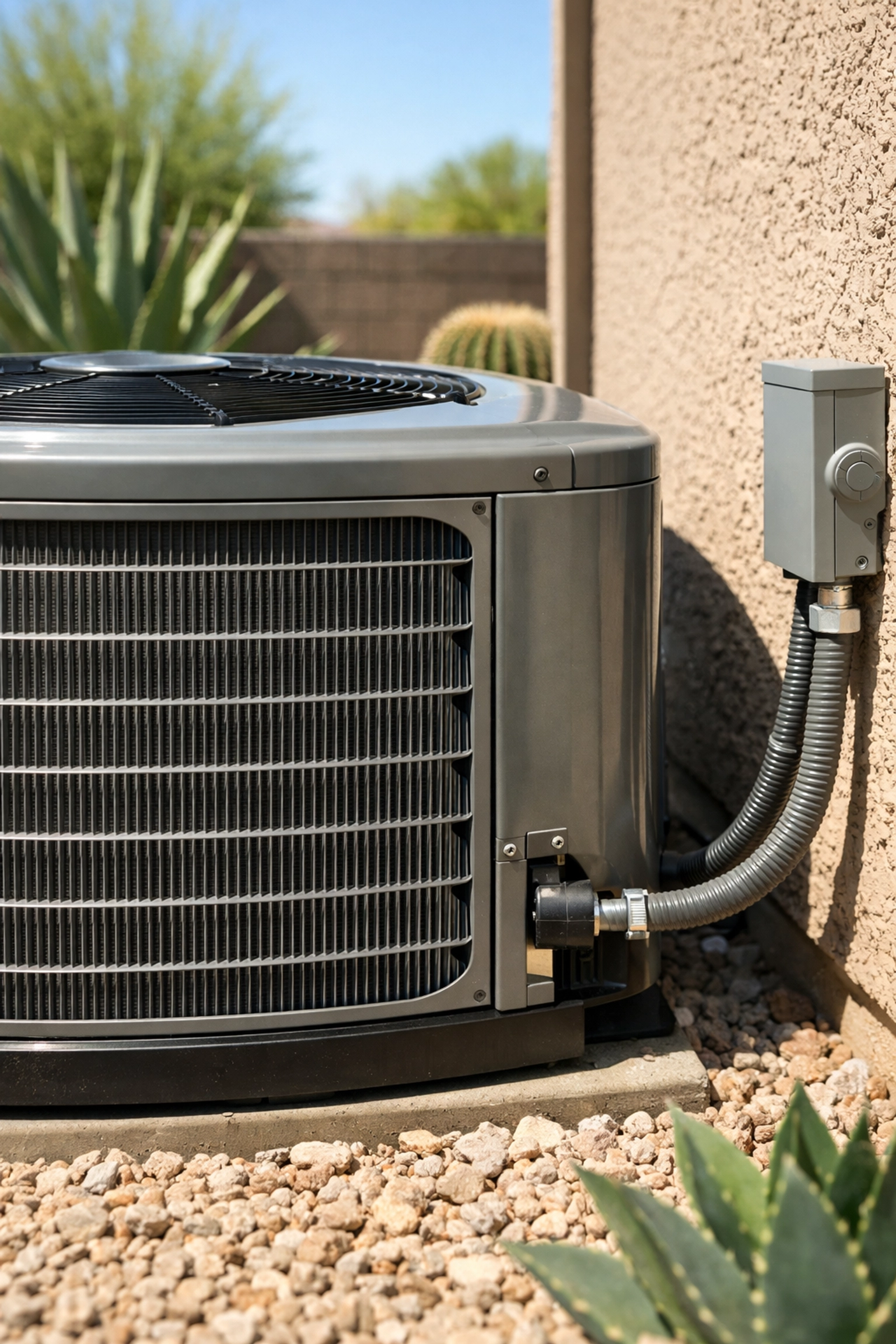
Your air conditioner is the most important appliance in your home during an Arizona summer. However, it is also the largest draw on your electrical panel. An inefficient unit works harder, draws more current, and increases the risk of a tripped breaker or a burnt-out motor.
- Change your filters monthly: A clogged filter makes the blower motor work overtime.
- Inspect the disconnect: Ensure the electrical disconnect near your outdoor unit is free of debris and shows no signs of charring.
2. The Danger of Overloaded Circuits
When the central A/C isn't enough, many people turn to portable air conditioners or high-powered fans. While these provide relief, they are significant "power hogs."
- Avoid Daisy-Chaining: Never plug a portable A/C or a large fan into a power strip or an extension cord. These devices should be plugged directly into a wall outlet.
- Know Your Limits: A standard household circuit is usually 15 or 20 amps. If you have a portable A/C, a computer, and a vacuum running on the same circuit, you are asking for a blown fuse: or worse, an electrical fire.
3. Energy Efficiency and Load Management
Managing your electrical load is a key part of energy efficiency. During peak hours (typically 3 PM to 8 PM), try to avoid running heavy appliances like dishwashers or dryers. This not only saves you money but also reduces the strain on the state’s power grid, helping to prevent localized brownouts that could leave your more vulnerable neighbors without cooling.
Why Professional Inspection Matters
Many homeowners attempt to solve cooling issues with "quick fixes" or DIY electrical work. We’ve discussed before whether electrical DIY projects are dead, and the answer in the middle of a heatwave is a resounding "don't risk it."
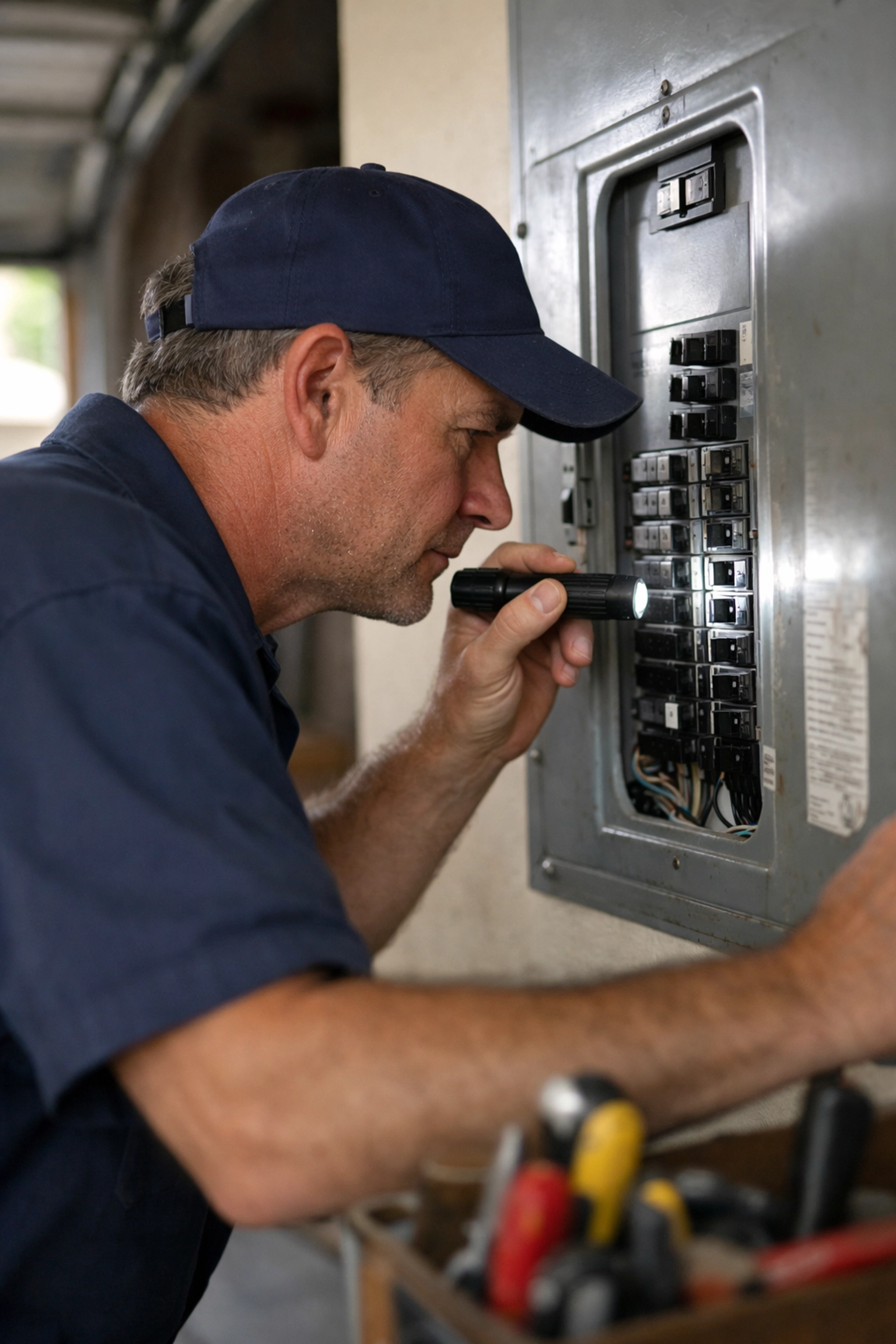
Extreme heat causes wires to expand and can exacerbate loose connections. If you hear a humming sound from your breaker panel or notice your lights flickering when the A/C kicks on, these are warning signs of a potential failure. With the rise of same-day electrical service, there is no reason to wait until your power goes out completely in 115-degree weather.
Preparing for the Unexpected: Power Backups
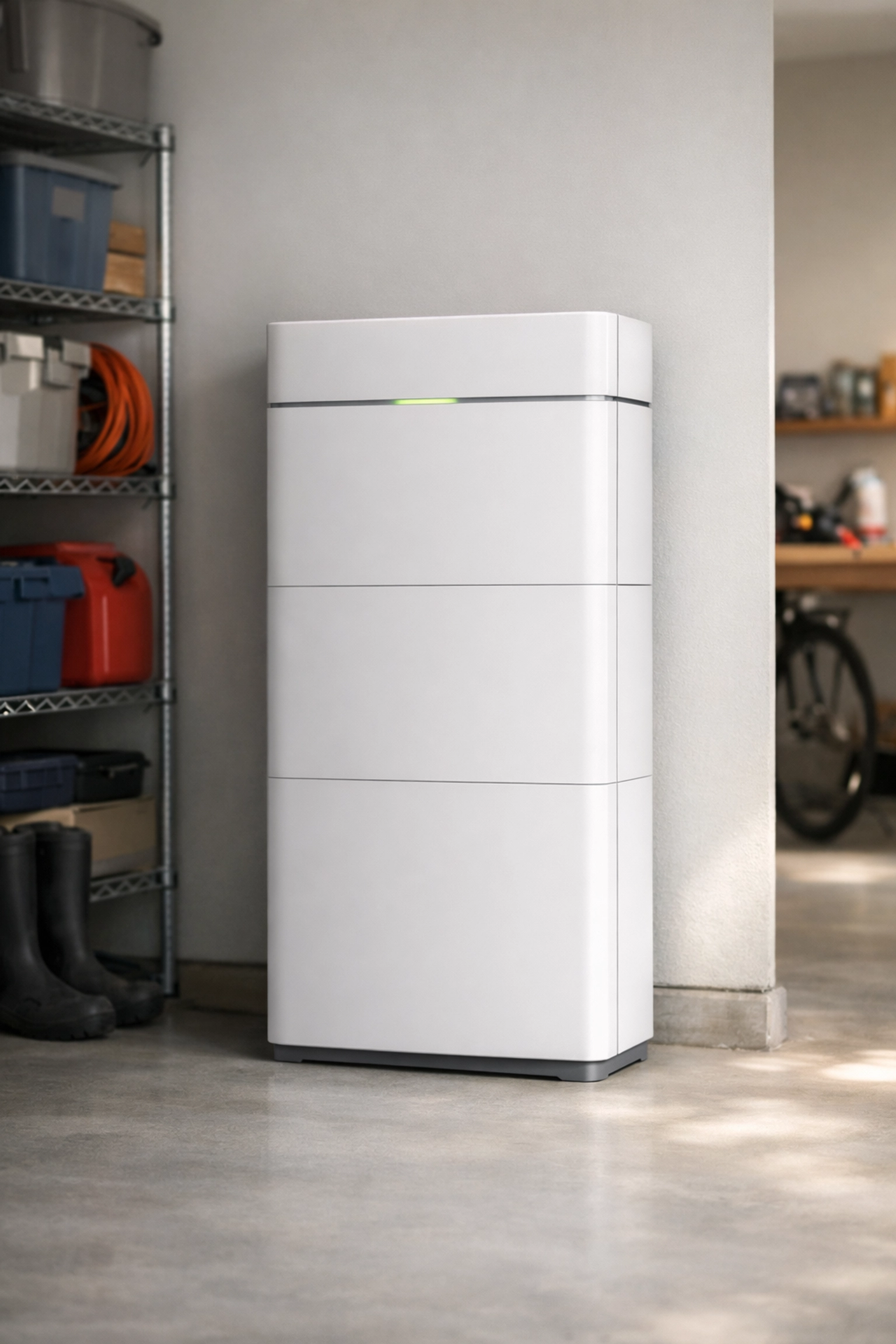
In Arizona, a power outage in July isn't just an inconvenience; it's an emergency. This is why we advocate for robust backup solutions. For many Phoenix homes, a battery backup system is a life-saving investment.
We often recommend Anker battery backup systems because they provide a reliable bridge during short-term outages, ensuring that fans, medical equipment, and refrigerators keep running. For those looking to the future, integrating these systems with solar power can provide long-term energy independence and security.
The Humanitarian Protocol: Looking Out for the Vulnerable
As part of our commitment to the community, Electrical Team 6 suggests a "Summer Safety Protocol" for every Arizona resident:
- Identify Vulnerable Neighbors: Know who on your block is a senior citizen, a veteran, or living alone.
- The "Three-Digit" Rule: If the forecast is over 100 degrees, make physical contact (at a safe distance or via phone) with those neighbors at least once a day.
- Recognize Heat Distress: Learn the signs of heat exhaustion (heavy sweating, weakness, cool/clammy skin) and heat stroke (high body temperature, hot/red skin, rapid pulse, confusion). If you see these signs, call 911 immediately.
- Share Resources: Keep the number for 2-1-1 handy to help neighbors find the nearest cooling center or hydration station provided by the Maricopa County Heat Relief Network.
Leading the Way in Safety and Diversity
Our team is growing to better serve the diverse needs of Arizona. We are proud of the women entering the electrical trade and the diverse perspectives they bring to our service calls. This diversity allows us to connect more deeply with all members of our community, from elderly grandmothers to young families.
We are also keeping an eye on the latest electrical trends of 2025 and 2026, ensuring that our installations meet the newest safety standards. Whether it’s an EV charger installation or a smart panel upgrade, we ensure that your home’s "heart": the electrical panel: is strong enough to beat through the hottest months of the year.
Conclusion: A Safer Summer Together
The heat of Arizona is a formidable opponent, but it is one we can manage through preparation, professional expertise, and, most importantly, community compassion. At Electrical Team 6, we aren't just here to fix your wires; we're here to ensure our community: especially our veterans, seniors, and first responders: stays safe, hydrated, and cool.
If you’re worried about your home’s ability to handle the summer load, or if you want to ensure your electrical system is up to the latest NEC 2026 rules, don't hesitate to reach out.
Let’s look out for one another. Stay safe, stay hydrated, and let's keep Arizona cool together.