
You pulled the permits, hired a contractor, and everything looked great: until the inspector showed up with a red tag. If this happened to you recently in Phoenix, you're not alone. The 2026 National Electrical Code (NEC) brought some significant changes that are catching homeowners and even some contractors off guard.
These aren't just minor tweaks to the rulebook. The new code includes expanded safety requirements that affect everything from your kitchen outlets to your garage circuits. Let's break down the seven most common issues that are causing inspections to fail across the Valley: and more importantly, what you can do about it.
Understanding the NEC 2026 Shift
The National Electrical Code updates every three years, and Arizona typically adopts the new code within a year or two. The 2026 edition represents one of the most comprehensive updates in recent years, with a strong focus on modern home technology, energy storage, and enhanced safety measures. Phoenix and surrounding municipalities have been enforcing these new standards since late 2025, and the learning curve has been steep for everyone involved.
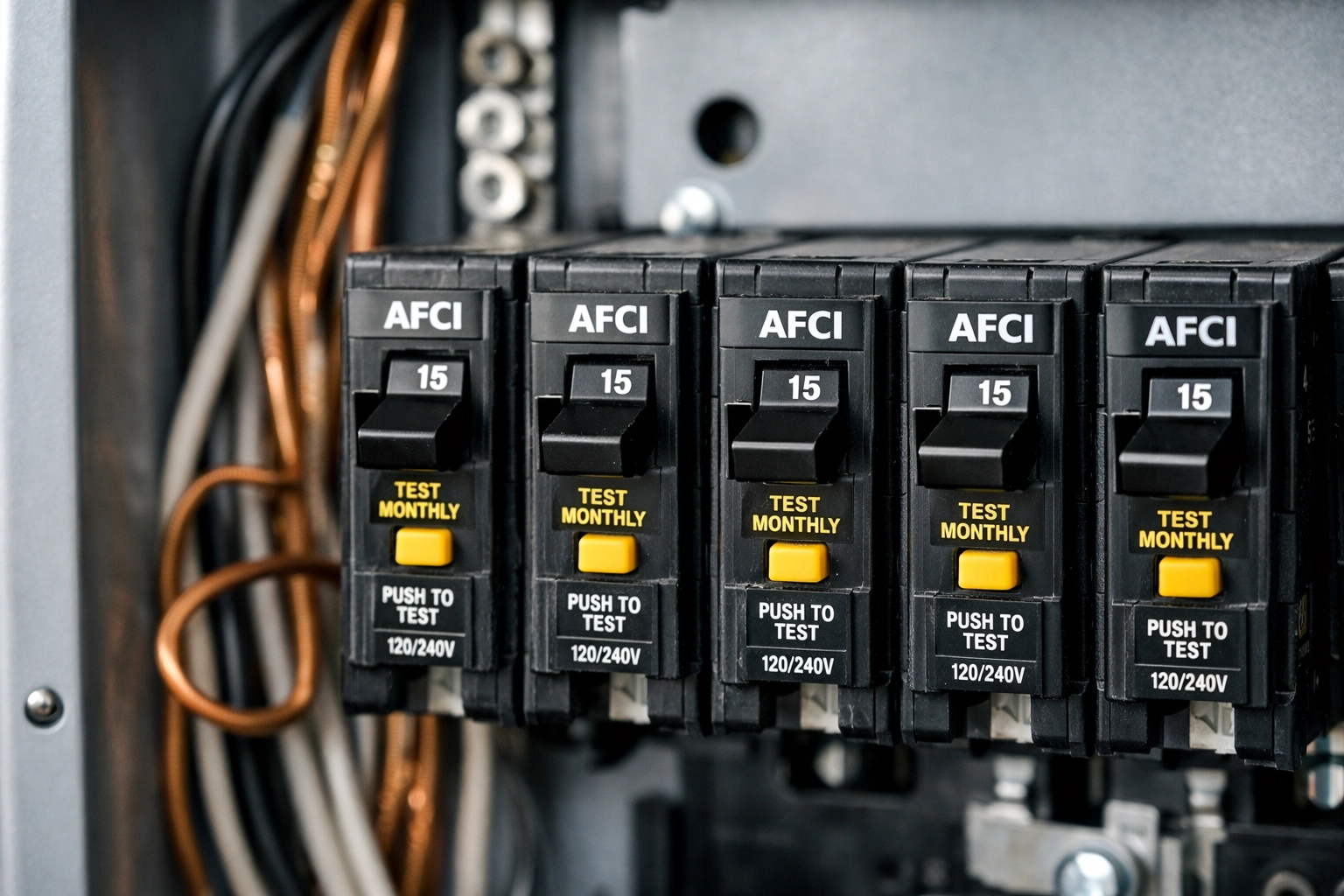
Rule #1: Expanded AFCI Protection Throughout the Home
What Changed: Arc-fault circuit interrupters (AFCIs) are now required in virtually every habitable room in your home, including closets, hallways, and bonus rooms. Previous codes had more limited requirements.
Why It Matters: AFCIs detect dangerous electrical arcs that can start fires before traditional breakers even notice a problem. The expanded requirement means that if you're adding a circuit or doing major renovations, you'll need AFCI protection on those circuits: even if you're just upgrading a bedroom closet.
Common Failure: Homeowners and contractors installing standard breakers instead of combination AFCI breakers in bedroom additions, home offices, or remodeled spaces. This is one of the top reasons we're seeing red tags in Phoenix right now.
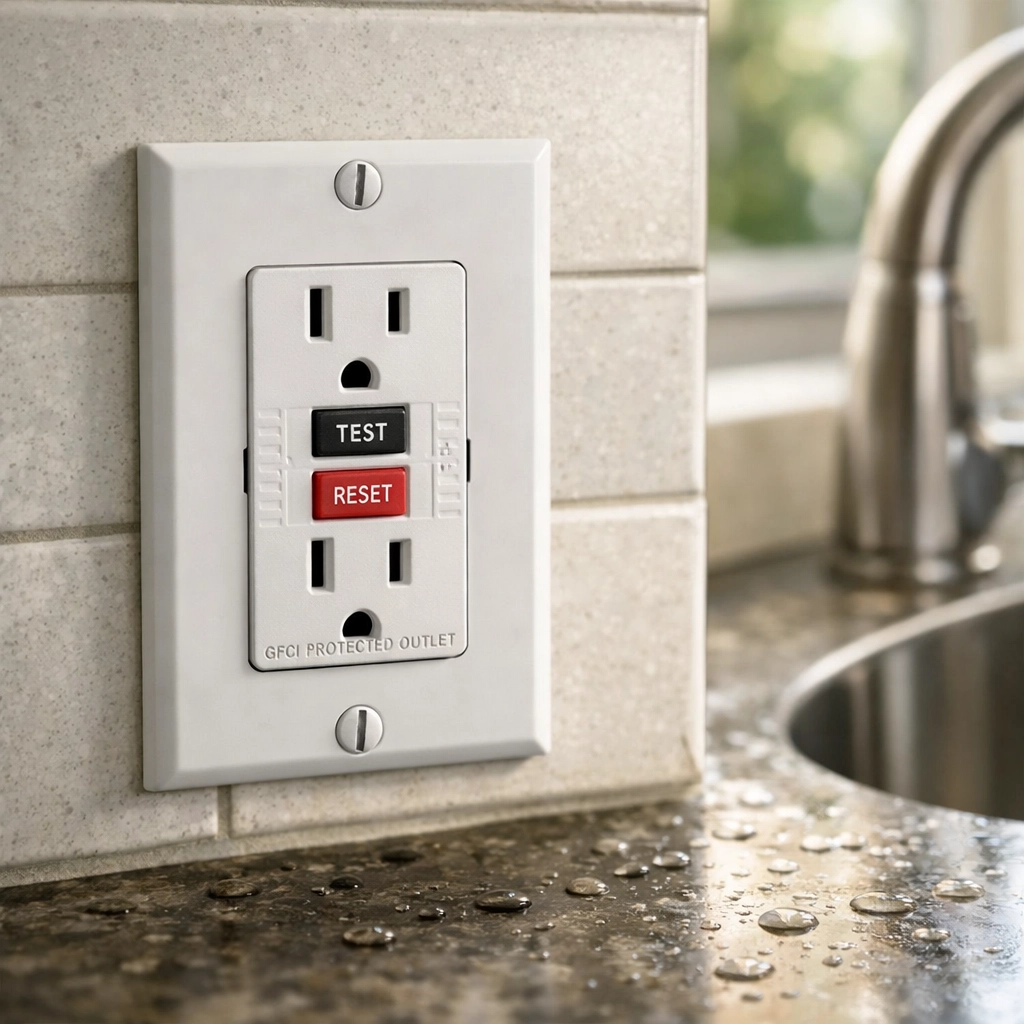
Rule #2: GFCI Requirements Expanded to More Locations
What Changed: Ground-fault circuit interrupter (GFCI) protection is now mandatory in additional locations, including unfinished basements (if you're lucky enough to have one in Phoenix), crawl spaces, and within six feet of sinks: not just in bathrooms and kitchens.
Why It Matters: Arizona homes are increasingly adding utility sinks in garages and laundry rooms. Any outlet within that six-foot radius now requires GFCI protection, whether it's a new installation or part of a remodel. This includes that convenient outlet you wanted to add near your garage sink for power tools.
Common Failure: Installing regular outlets near newly added utility sinks or failing to update existing non-GFCI outlets during renovations that trigger code compliance reviews.
Rule #3: Whole-Home Surge Protection Now Required
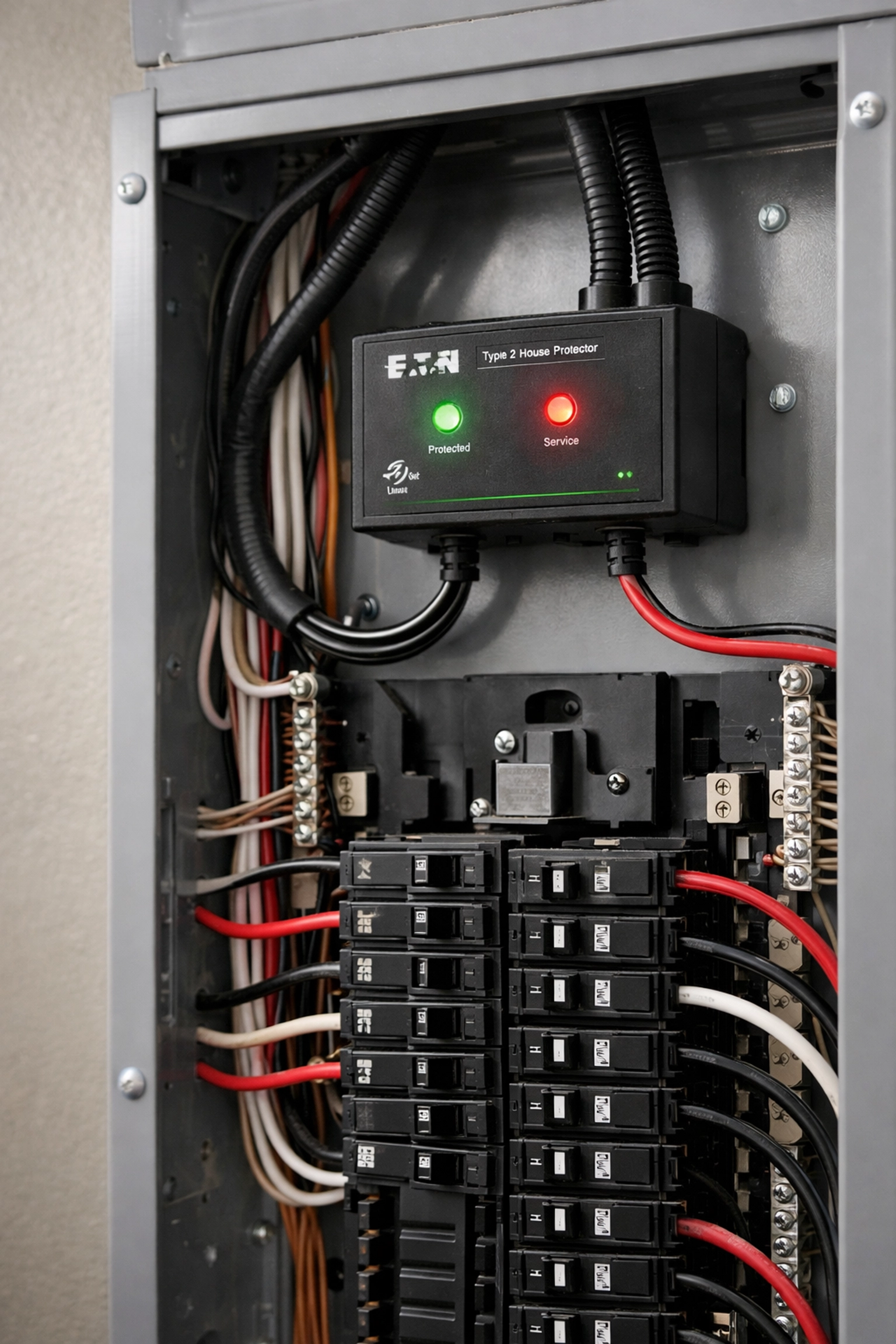
What Changed: New residential construction and service upgrades now require whole-home surge protection devices installed at the main electrical panel.
Why It Matters: Phoenix experiences intense monsoon storms with lightning strikes that can fry electronics and appliances. While you might have surge protector power strips, the new code requires a Type 1 or Type 2 surge protective device (SPD) at your main panel to protect the entire electrical system.
Common Failure: Upgrading to a 200-amp panel without installing the required surge protection device. Many homeowners don't realize this is now code, not just a recommendation, and inspectors are flagging these installations.
Rule #4: EV Charger Circuit Preparation
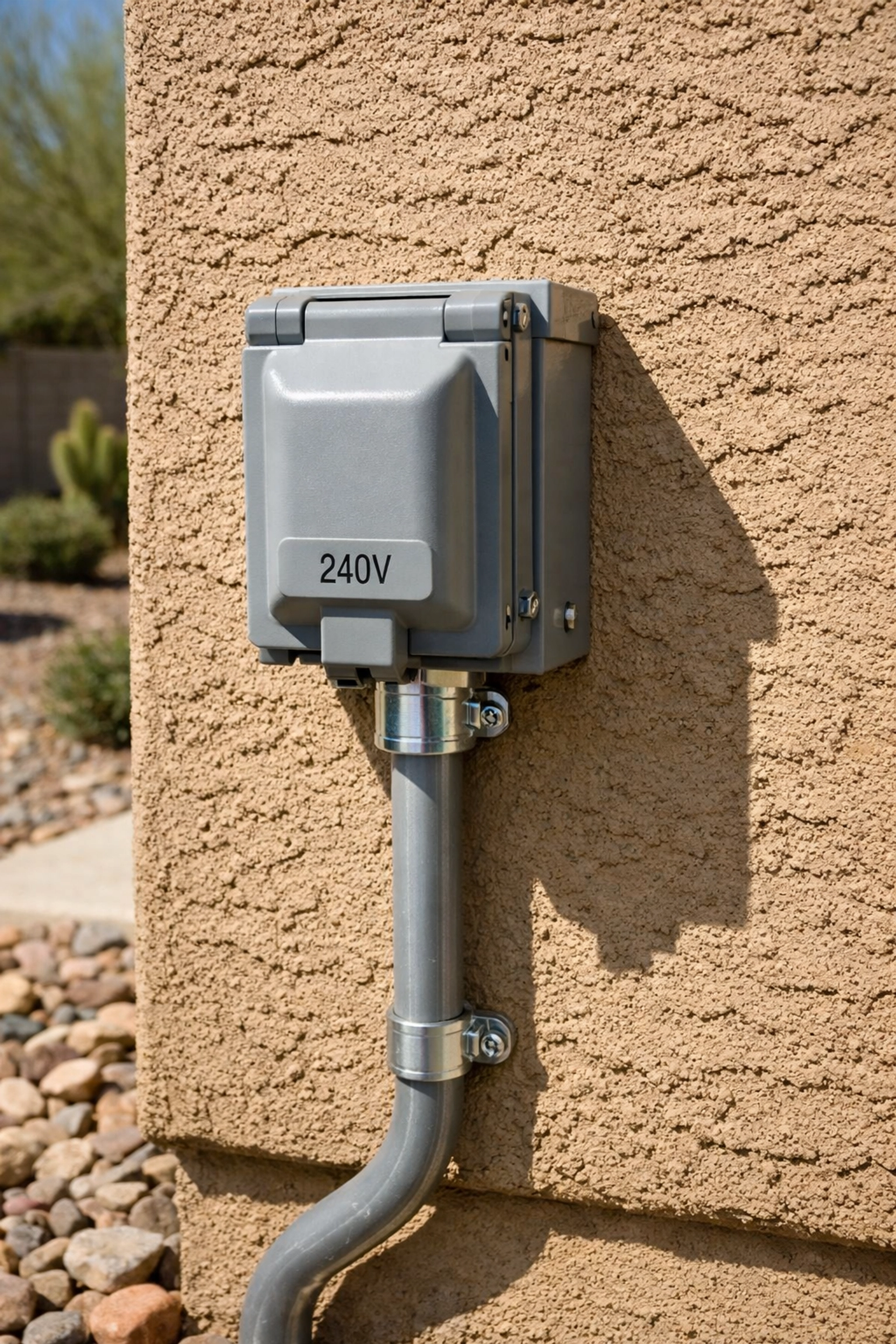
What Changed: New homes and major electrical upgrades must include either a 240-volt circuit for electric vehicle charging or adequate panel capacity and a designated conduit pathway for future installation.
Why It Matters: As EV adoption accelerates, the code is getting ahead of the curve. Even if you don't own an electric vehicle today, your electrical service needs to be ready for one. This affects panel upgrades and new construction throughout Phoenix.
Common Failure: Upgrading electrical panels without accounting for future EV charging loads or failing to install the required conduit stub-out. Some contractors are still treating this as optional, but it's not.
Rule #5: Energy Storage System Requirements
What Changed: With Arizona's push toward solar and battery backup systems, the 2026 NEC includes specific requirements for energy storage system installations, including dedicated disconnects, proper labeling, and specific clearance requirements.
Why It Matters: Battery backup systems are becoming incredibly popular in Phoenix, especially after summer power outages. The new code ensures these systems are installed safely and can be maintained or disconnected properly during emergencies.
Common Failure: Improper labeling, insufficient working clearances around battery systems, or missing rapid shutdown requirements. These installations require specialized knowledge that not all electricians have developed yet.
Rule #6: Enhanced Grounding and Bonding Standards
What Changed: The code now requires more robust grounding electrode systems and specific bonding requirements for metal water piping, gas piping, and other conductive materials entering the home.
Why It Matters: Proper grounding protects you from electrical shock and helps ensure your electrical system functions correctly during fault conditions. Phoenix's dry climate and soil conditions make proper grounding even more critical: but also more challenging to achieve.
Common Failure: Incomplete bonding of gas lines, inadequate grounding electrode systems, or improper supplemental grounding during service upgrades. This is highly technical work that requires expertise in current code requirements.
Rule #7: Tamper-Resistant Receptacles in New Areas
What Changed: Tamper-resistant (TR) receptacles are now required in additional locations beyond typical living spaces, including garages, unfinished areas, and outdoor outlets accessible to children.
Why It Matters: These outlets have spring-loaded shutters that prevent children from inserting objects into the slots. While they've been required in homes for years, the expanded locations catch contractors off guard, particularly in garage and outdoor installations.
Common Failure: Installing standard outdoor or garage outlets instead of tamper-resistant versions during remodels or additions. Inspectors are checking every outlet, and this is an easy catch.
What This Means for Phoenix Homeowners
If you're planning electrical work: whether it's a kitchen remodel, panel upgrade, or adding circuits for a home office: understanding these new requirements is crucial. Here's the thing: even if your contractor says they "know the code," the 2026 updates are recent enough that not everyone is fully up to speed.
The good news? These changes ultimately make your home safer and more future-ready. The challenging part is making sure your electrical work is done right the first time to avoid costly reinspections and delays.
How Electrical Team 6 Can Help
At Electrical Team 6, we've made it our business to stay ahead of code changes. Our team has been working with the NEC 2026 requirements since before they became mandatory in Arizona, which means we're not learning on your dime. We understand the Phoenix-specific challenges: from our unique soil conditions affecting grounding to the monsoon seasons requiring robust surge protection.
Whether you're failing an inspection and need corrections, planning a major project, or just want to ensure your electrical work is done right from the start, we bring code-compliant expertise to every job. We pull permits properly, communicate with inspectors, and make sure your project passes inspection the first time.
Getting electrical work done shouldn't be a guessing game. If you're dealing with a failed inspection or want to start your project with confidence, give us a call. We'll evaluate your situation, explain exactly what's needed to meet current code requirements, and deliver the quality work that Phoenix homeowners deserve.
Don't let outdated knowledge cost you time and money. The electrical code exists for your safety, and when you work with professionals who truly understand it, everyone benefits.