
Let's cut through the marketing hype and get real about battery backup in Phoenix. You've probably heard the sales pitch: "Every home needs battery backup!" But here's the truth: whether your Phoenix home actually needs it depends on your specific situation, not some one-size-fits-all answer.
After installing dozens of battery systems across the Valley, we've seen firsthand when they're game-changers and when they're just expensive peace of mind. Let's break down what actually matters for Arizona homeowners.
Phoenix Power Reality Check
Arizona's electrical grid faces some unique challenges that other states don't deal with. Our summer heat pushes the system to its limits, and monsoon season brings its own set of problems.
The numbers don't lie: Phoenix experiences power outages about 2-3 times per year on average, with most lasting 1-4 hours. But when extreme weather hits: think haboobs, microbursts, or those 118°F days: outages can stretch much longer. Remember the 2019 outage that left 13,000 homes without power for over 24 hours during a heatwave?

Here's what makes Phoenix different: when your AC goes out in July, it's not just inconvenient: it's potentially dangerous. Indoor temperatures can hit 100°F+ within hours. Your refrigerator full of groceries? That's a $300+ loss waiting to happen.
But power outages aren't the only issue. Arizona utilities like APS and SRP have shifted their peak pricing hours to 4-7 PM, right when solar production drops off. This means you're paying premium rates exactly when your panels aren't helping much.
The Solar Connection Changes Everything
If you already have solar panels (or you're considering them), adding battery backup makes a lot more sense than going battery-only.
Here's why: Without solar, your battery is basically a really expensive UPS system. Once it's drained during an outage, you're waiting for the grid to come back online to recharge it. But with solar, your panels keep generating power during the day, recharging your battery even when the grid is down.
A typical Phoenix home with a 6kW solar system produces about 30-35 kWh per day in summer. That's enough to run essential loads (AC, refrigerator, lights, WiFi) and still have juice left over to recharge a battery system.
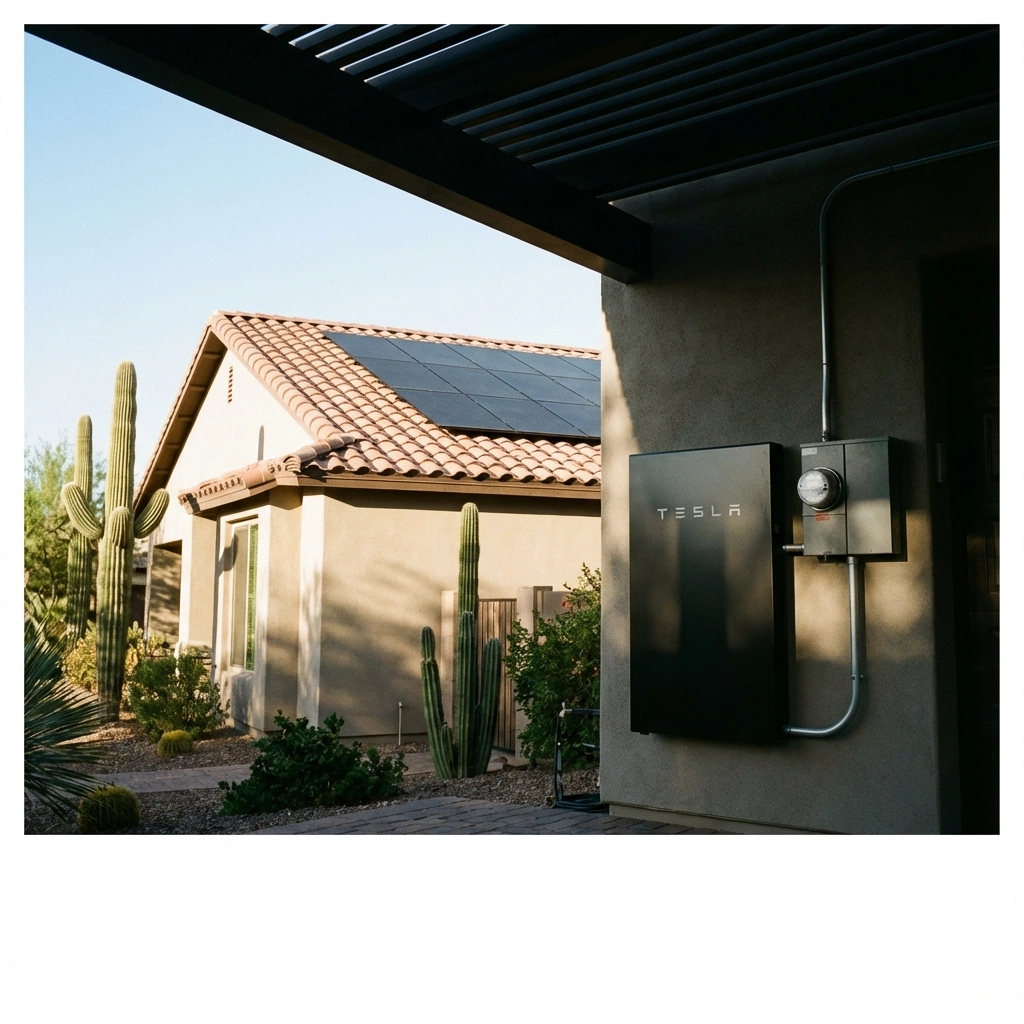
Real example: We installed a 13.5 kWh battery for a client in Scottsdale with a 8kW solar array. During a 6-hour outage last summer, their system kept the AC running on just the main floor, powered critical appliances, and still had 40% charge remaining when the grid came back up.
The Money Side of Things
Let's talk costs because that's probably what you're really wondering about.
Battery systems typically run:
- 10 kWh system: $12,000-15,000 installed
- 13.5 kWh system: $15,000-18,000 installed
- 20+ kWh system: $25,000+ installed
But here's where it gets interesting for Phoenix homeowners: Arizona's time-of-use rates can actually help offset these costs over time.
Example math: If you're on APS's TOU rate plan, peak hours (4-7 PM) can cost $0.25-0.35 per kWh, while off-peak rates drop to $0.10-0.15 per kWh. A battery system that shifts 10 kWh daily from peak to off-peak could save you $50-75 per month in summer.
Add in the federal solar tax credit (30% through 2032), and suddenly that $15,000 battery system costs closer to $10,500 out of pocket.
Right-Sizing for Phoenix
Not all battery systems are created equal, and bigger isn't always better for Arizona homes.
Essential backup (4-6 hours): 10-13 kWh
- Runs: Refrigerator, some lights, WiFi, phone charging, select outlets
- Good for: Most outages, basic comfort during storms
Extended backup (8-12 hours): 15-20 kWh
- Runs: Above plus single AC zone, washer/dryer, most outlets
- Good for: Longer outages, maintaining normal routines
Whole-home backup (24+ hours): 25+ kWh
- Runs: Everything like normal
- Good for: Multi-day outages, complete energy independence
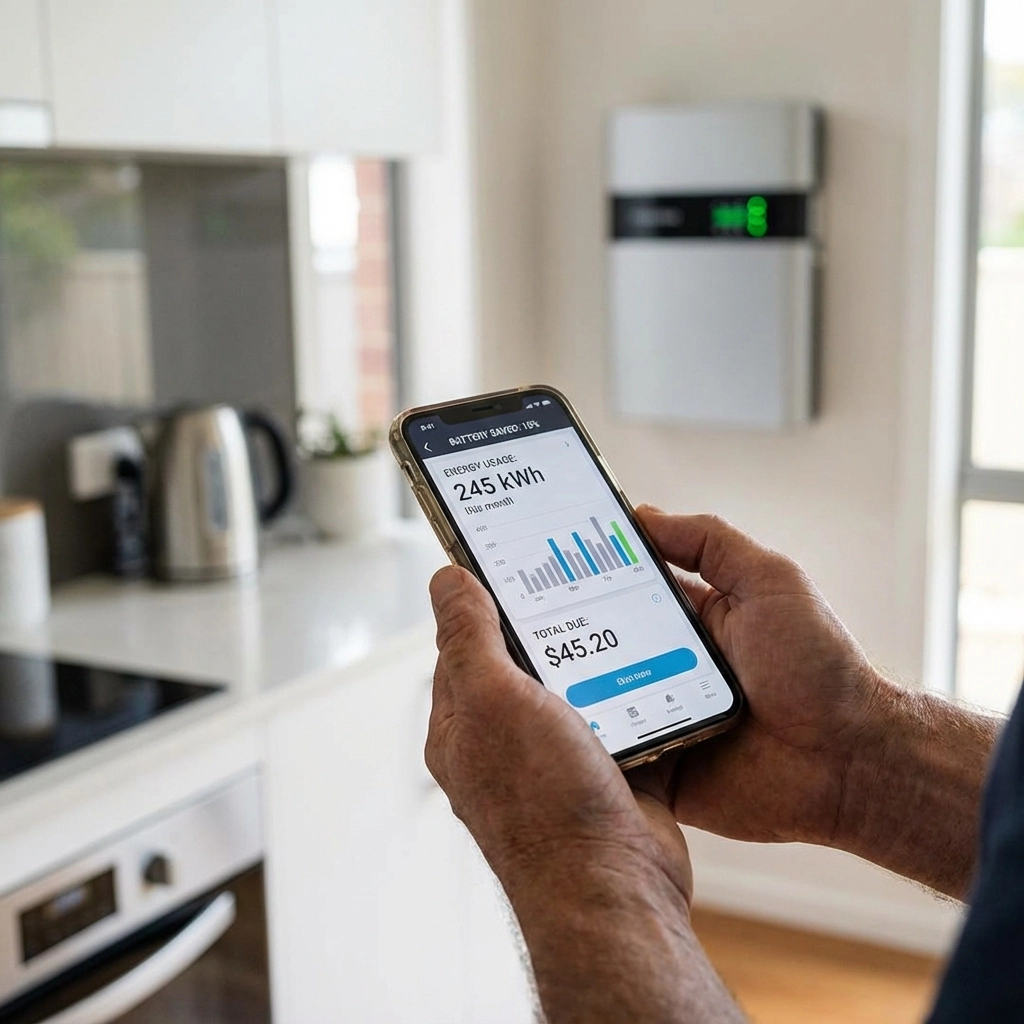
Pro tip: Most Phoenix families do fine with 13-15 kWh. You don't need to power your entire house during an outage: just the essentials to stay safe and comfortable.
When Battery Backup Makes Sense in Phoenix
You're a good candidate if:
- You have solar panels (or planning to install them)
- You live in an area with frequent outages (looking at you, North Phoenix and East Valley)
- You work from home and need reliable internet
- You have medical equipment that requires power
- Your utility bill shows high peak-hour usage
- You want energy independence and don't mind paying for it
Real client example: A family in Ahwatukee was spending $400+ monthly on electricity during summer, with 60% of usage during peak hours. After adding a 13.5 kWh battery to their existing solar system, they cut their summer bills by $120-150 monthly. The battery pays for itself in about 8-10 years, plus they get blackout protection.
When to Skip Battery Backup
It might not be worth it if:
- You don't have solar and aren't planning to get it
- Your area rarely loses power
- You're comfortable with occasional outages
- Your budget is tight and you'd rather invest in other home improvements
- You're planning to move within 5-7 years
Battery backup isn't essential for every Phoenix home. If you live in a newer neighborhood with reliable power and don't mind the occasional outage, you might be better off putting that money toward other upgrades.
Arizona Climate Considerations
Arizona's extreme heat actually works in favor of modern battery systems. Most lithium-ion batteries perform well in our climate when properly installed (usually in garages or shaded areas).
Battery lifespan in Arizona: 10-15 years for quality systems, with most warranties covering 10 years. The key is proper installation away from direct sun and ensuring adequate ventilation.
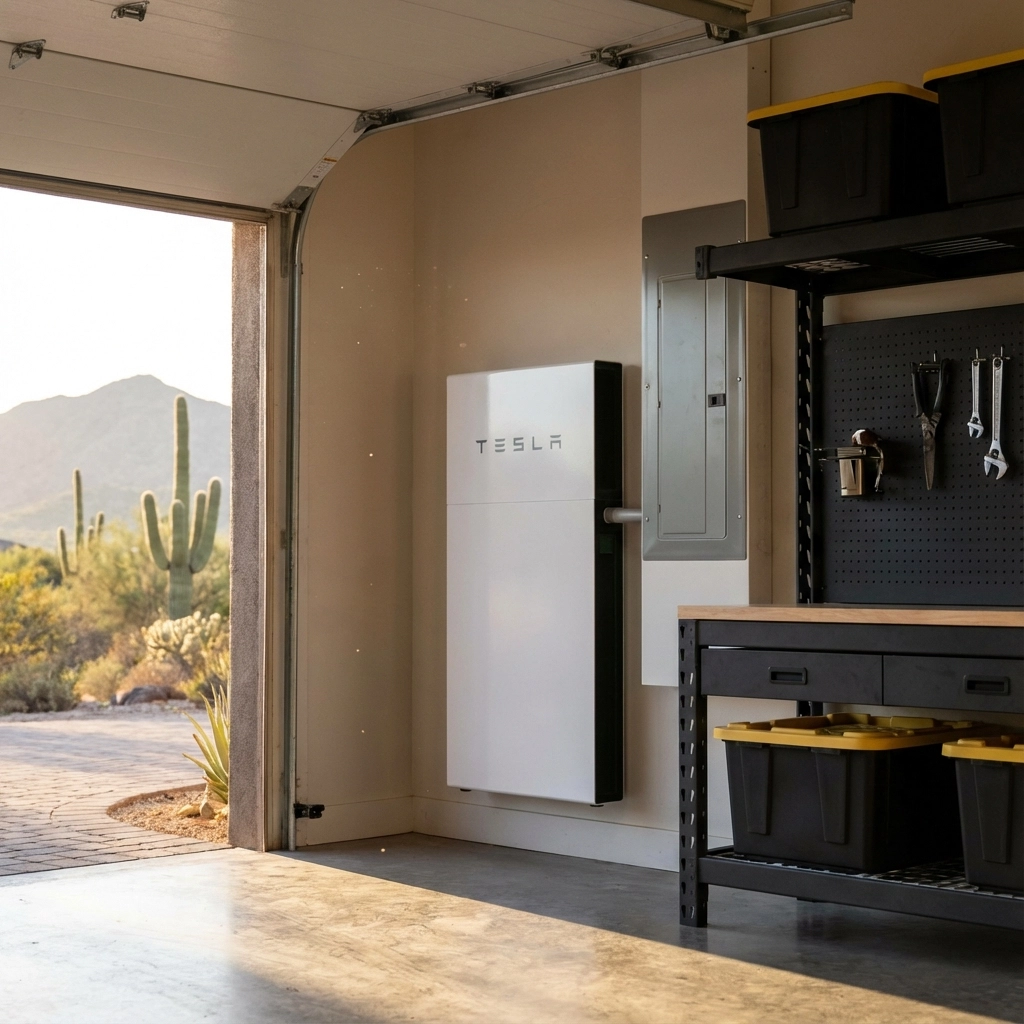
Our extreme temperature swings (40°F winter nights to 120°F summer days) don't significantly impact battery performance when systems are correctly sized and installed.
The Bottom Line for Phoenix Homeowners
Battery backup isn't a necessity for most Phoenix homes, but it's becoming a smart investment for many. If you have solar panels or are considering them, adding battery storage often makes financial sense while providing valuable backup power.
The sweet spot: A 13-15 kWh battery paired with solar provides excellent value: enough backup for essential loads during typical outages, meaningful bill reduction through peak shaving, and solid return on investment over 10+ years.
Before you decide, honestly assess your needs: How often do you lose power? What would you actually need to run during an outage? Are you willing to pay a premium for energy independence?
If you're still on the fence, start with solar panels. You can always add battery backup later, and having that foundation makes the decision much clearer. Our team has helped hundreds of Phoenix families navigate these decisions: we're happy to run the numbers for your specific situation.
The truth is, battery backup isn't about what every Phoenix home "needs"; it's about what makes sense for your family's comfort, budget, and peace of mind.