
Creating A Solar Power System
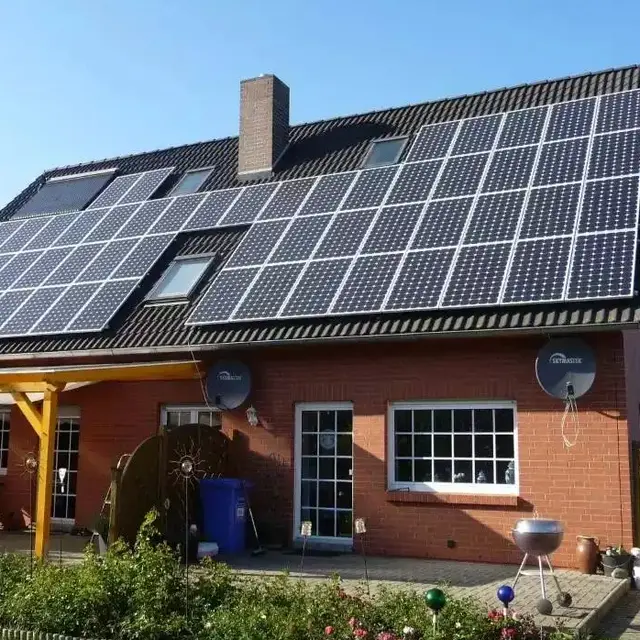
Creating a solar power system for emergencies can be a great way to ensure a reliable source of electricity during power outages or other emergency situations. Here’s a step-by-step guide to help you set up such a system:
1. Assess your energy needs: Determine the amount of power you’ll need during emergencies. Consider the essential devices you want to power, such as lights, communication devices, medical equipment, or small appliances. Calculate the total wattage required to operate these devices simultaneously or individually.
2. Choose a solar panel: Select a solar panel or panels that can generate enough power to meet your energy needs. Consider factors like wattage, efficiency, size, and durability. Monocrystalline or polycrystalline solar panels are commonly used for small-scale systems.
3. Select a charge controller: A charge controller regulates the flow of electricity from the solar panels to the battery bank. It prevents overcharging and protects the batteries. Ensure that the charge controller you choose is compatible with the solar panel’s voltage and current output.
4. Decide on a battery bank: Choose deep-cycle batteries designed for renewable energy systems. These batteries can handle frequent charging and discharging. Determine the battery capacity (in ampere-hours) required based on your energy needs and the expected duration of the emergency situation.
5. Determine an inverter size: An inverter converts DC (direct current) power from the batteries into AC (alternating current) power that can be used to run household appliances. Select an inverter that can handle the total wattage of the devices you want to power. Consider a pure sine wave inverter for sensitive electronics.
6. Mount the solar panels: Install the solar panels in an area that receives maximum sunlight. Ensure that they are angled correctly for optimal solar exposure. You can mount them on the roof, a pole, or a ground-based rack, depending on your situation. Follow the manufacturer’s instructions for proper installation and safety precautions.
7. Install the charge controller, batteries, and inverter: Connect the charge controller to the solar panels and the battery bank. Connect the inverter to the battery bank. Follow the manufacturer’s instructions and adhere to proper wiring practices to ensure safety.
8. Connect your devices: Connect your essential devices to the inverter or use a power distribution panel to supply electricity to multiple devices. Use appropriate wiring and outlets, and consider safety measures such as surge protectors.